Automatisering · 2026
What a missed enquiry actually costs you
By Kevin Stormer, 2026-08-17
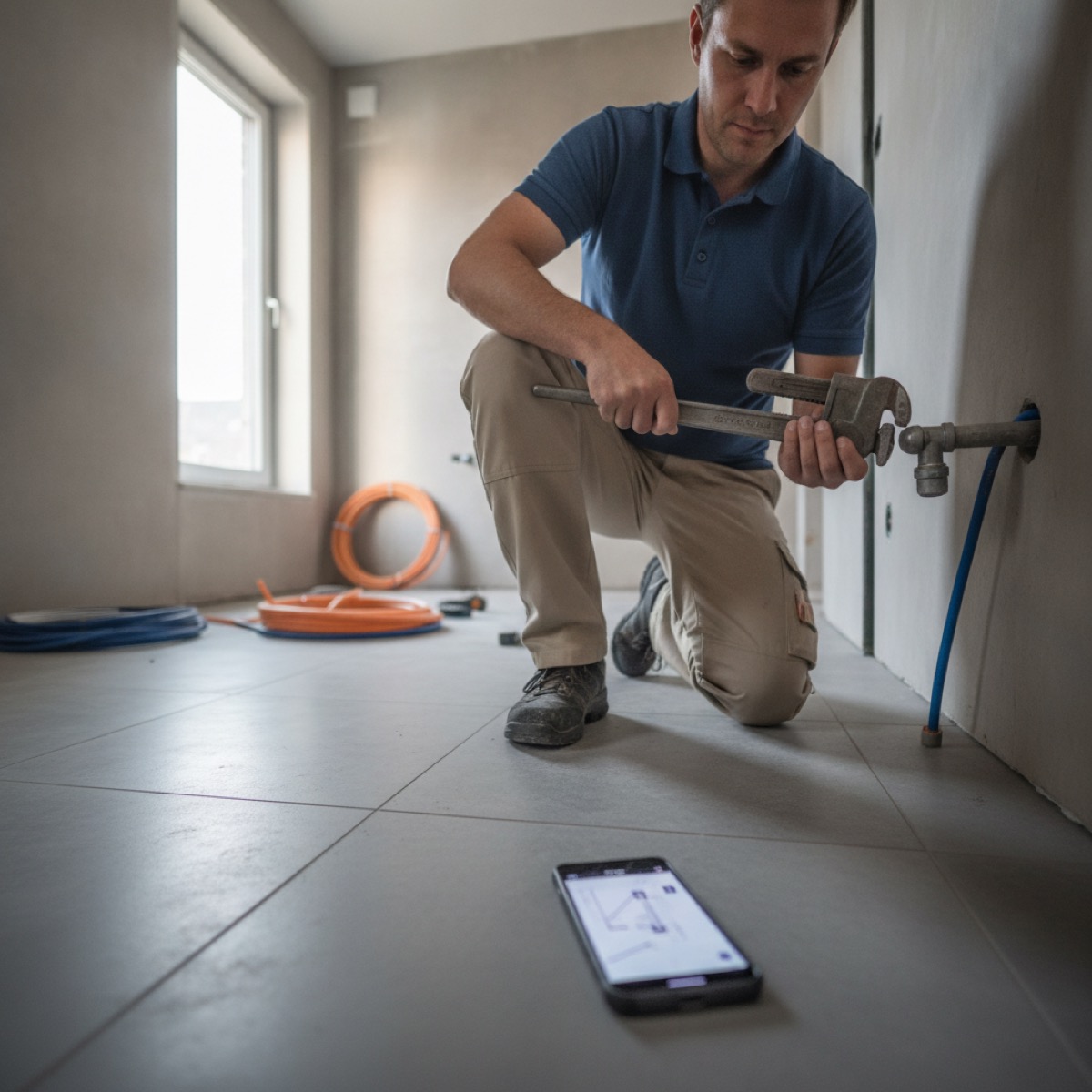
You are on a roof, in a meter cupboard or under a floor. Your phone rings. Your hands are full, so you let it ring. By the time you call back it is past five thirty, and you no longer really know who called.
That does not feel like a problem. It feels like working. Which is exactly why it is the most expensive leak in most businesses: it is never recorded anywhere. A job you never won does not appear in your bookkeeping. You only ever see the ones you did win.
What actually happens to that enquiry
Most people you fail to reach do not call a second time. They call the next name on the list. That is no complaint about the customer: someone with a leak or a broken floor wants help today, not a call back tomorrow.
How much that weighs has been measured. Research from MIT (Oldroyd, 2007) shows that responding within five minutes makes you twenty one times more likely to qualify the lead than waiting thirty minutes, and a hundred times more likely to reach the person at all. Not twenty percent more. Twenty one times.
Harvard Business Review audited more than two thousand companies and found the average first response took forty two hours, and that almost a quarter never responded at all. These are not bad companies. These are companies where the people who should respond are also the people doing the work.
Run it against your own numbers
Take your average job. Say it is worth six thousand euro. Now think about how many enquiries you miss each month because you were working. Two? Three? You do not know exactly, and that is the point: you never see them.
At two missed enquiries a month and a one in three conversion, you are talking about eight jobs a year you never even saw. That is forty eight thousand euro in revenue that walked past you while you were busy. You only need to win one of them back to pay for every fix below, several times over.
The expensive answer is hiring someone
The reflex is to put someone in the office to answer the phone. Cost that out honestly: an administrative employee averages three thousand euro gross per month, and with employer contributions of twenty five to forty percent you land at four thousand euro a month. Annually that is around fifty thousand euro.
That buys roughly seventeen hundred productive hours. Forty hours a week, minus holidays, minus sick days, minus the hours nobody is productive. That person does not work evenings, weekends, or the two weeks in August when the phone keeps ringing anyway.
The four fixes that actually work
One: confirm immediately. Someone who gets a confirmation within a minute with your name on it knows they have not called into a void. That alone removes most of the drop off, because people keep shopping out of uncertainty, not impatience.
Two: let them pick a moment. A booking link inside that confirmation removes the phone tag. You stop calling three times and missing, they pick a time they were free anyway.
Three: remind them once. Most enquiries that go quiet go quiet after first contact. One polite reminder a few days later recovers a solid share of them without turning pushy.
Four: make sure you know. Not every enquiry should be handled automatically. A big job you want to call yourself. For that you need to know it came in straight away, not in the evening while clearing your inbox.
What you should not automate
Use automation for timing, not for the conversation. The confirmation, the booking link and the reminder can run by themselves. The actual advisory conversation stays human work, and it should: nobody buys a ten thousand euro job from a chatbot. The point is that you get to that conversation at all, because you are no longer chasing loose enquiries.
What you end up with is a system that does what an employee would do, for a fraction of four thousand euro a month, that is also awake at ten in the evening and never asks for time off. Not software you get saddled with, but work that gets done without hiring for it.
Curious what it is for you?
I run a free half hour call where we work out together how many enquiries are currently going quiet on you and what that costs per year. No presentation, no pitch: your own numbers, out loud. If nothing comes out of it you have lost half an hour and you know you are doing it right.